Q: I’m looking for storage and workspace improvement in my kitchen and am leaning toward having a kitchen island added in. How do I decide which type to add to our kitchen?
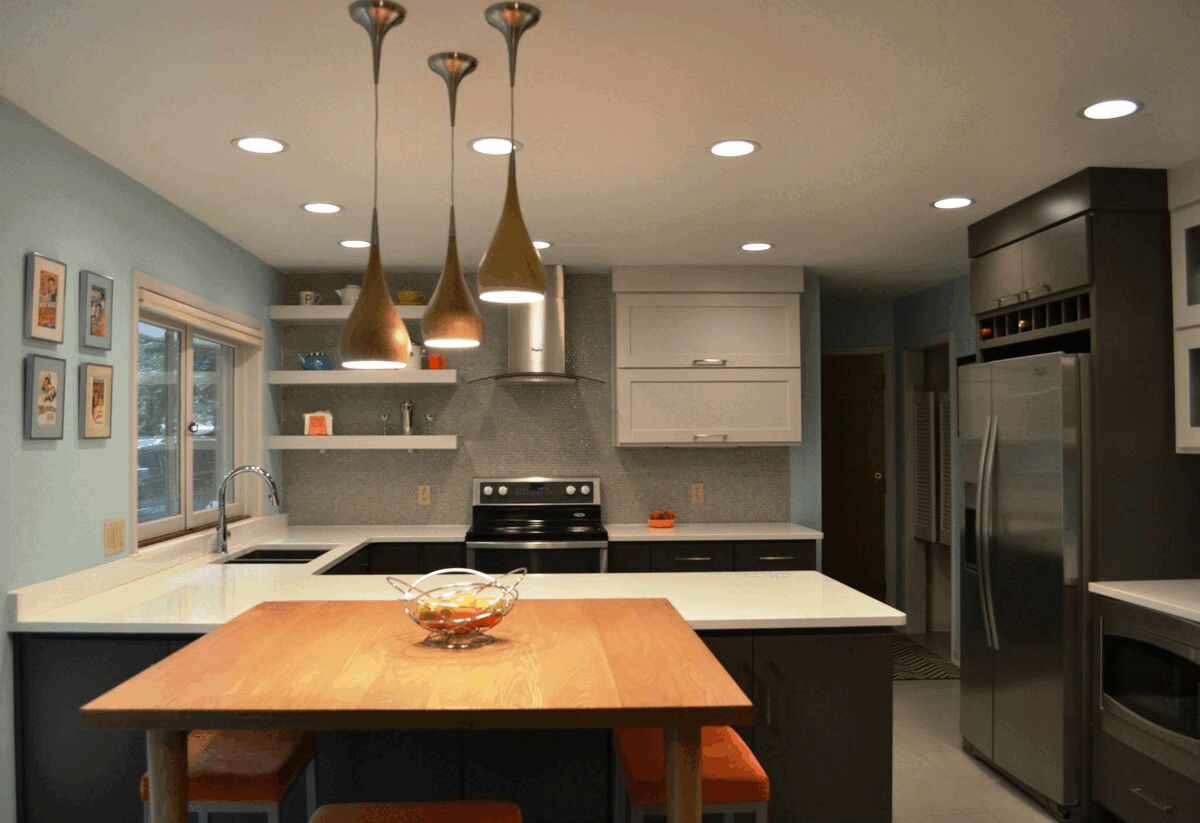
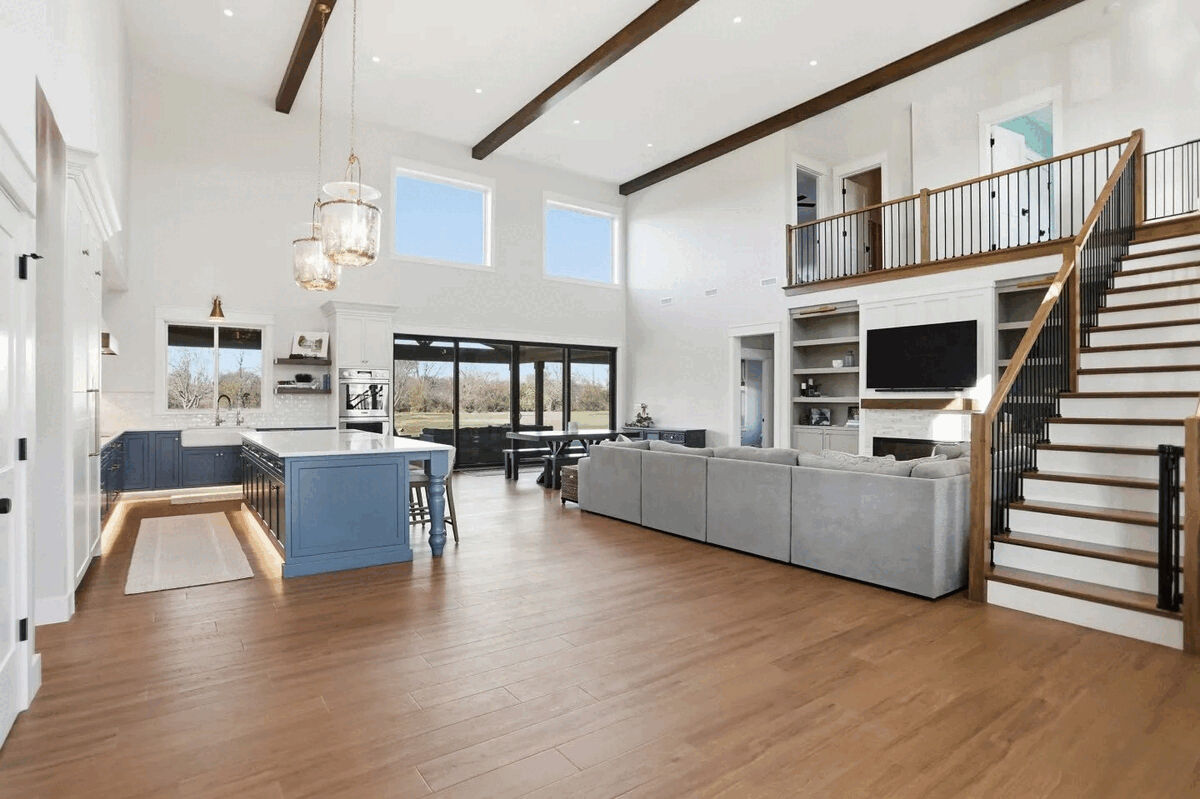
A: Kitchen islands are among the most popular items in kitchen projects because they offer versatility in both style and function. You can choose to blend the island with your countertops and cabinetry or opt for unique colors and materials to complement and accent your space.
When it comes to design, kitchen islands are available in a variety of colors, sizes, and materials to suit any home décor. Whether you prefer a contemporary look, a cozy country style, or a breezy summer kitchen vibe, there’s something for every taste. To spark inspiration, browse catalogs and home decorating magazines to see the options and unique designs available. As you do, make notes of the features you like and those you consider essential for your island.
Adding Kitchen Islands
If you have enough room, adding an island can be a straightforward upgrade. Start by looking at several island styles and noting their exact dimensions. Then, measure your kitchen to ensure you leave between forty‑two and forty‑eight inches of space around the entire island. This clearance is essential so you can open your refrigerator, oven, and dishwasher with ease.
To better visualize the space, try a simple experiment. Move a piece of furniture with similar dimensions to where you want your island. Keep it there for about a week to see how it feels. If it’s too large, look for a smaller model and test again.
There are no strict rules for height—it’s a matter of preference and function. If you plan to cook, prep food, or include a built‑in sink, match the height to your kitchen cabinets. For seating, choose a lower height for table‑style dining or a higher counter for barstools.
Utilizing Kitchen Islands in Clever Ways
Once you’ve decided on size and style, think about function. Do you need more storage space? For maximum storage, match the island to your existing cabinets and countertops, using cabinets, drawers, or both. You could also add bookshelves for cookbooks and collectibles or swap shelves for a wine rack.
For cooking, you can build a cooktop into the island, saving space above the oven—ideal for kitchens with double ovens. When selecting counters, consider how you use the space: butcher block for prep work, marble for baking, or durable materials for everyday tasks.
Islands also work well as seating areas. Lower the height for table seating or raise it for barstools, allowing about two feet of space per person. You can even incorporate sinks, dishwashers, or trash compactors in place of cabinets. Adding an electrical outlet on one side is perfect for small appliances like mixers or blenders.
Portable Islands
Finally, if space is limited, a portable island offers extra countertop area when you need it. This makes them a great alternative for smaller kitchens. You can purchase one unassembled and easily put it together yourself. Most portables are on wheels, so you can move them aside whenever you need more room.
Portable islands come in various styles, from cabinet‑style models with storage to table‑style designs. For added function, choose one with a built‑in cutting board surface. Common countertop materials include steel, tile, and wood, allowing you to match your kitchen’s style while gaining flexible workspace.
Subscribe to ACo Flooring, Cabinets, Kitchens & Baths's Blog

Comments