Checkerboard tile designs have endured for centuries, gracing structures from modest homes to opulent palaces. The simplicity and clean symmetry of checkerboard tile keep this classic as relevant and striking today as it was in early architecture. At the same time, the pattern manages to offer incredible versatility, marking checkerboard as an evergreen design choice. One that may be right at home in your home. 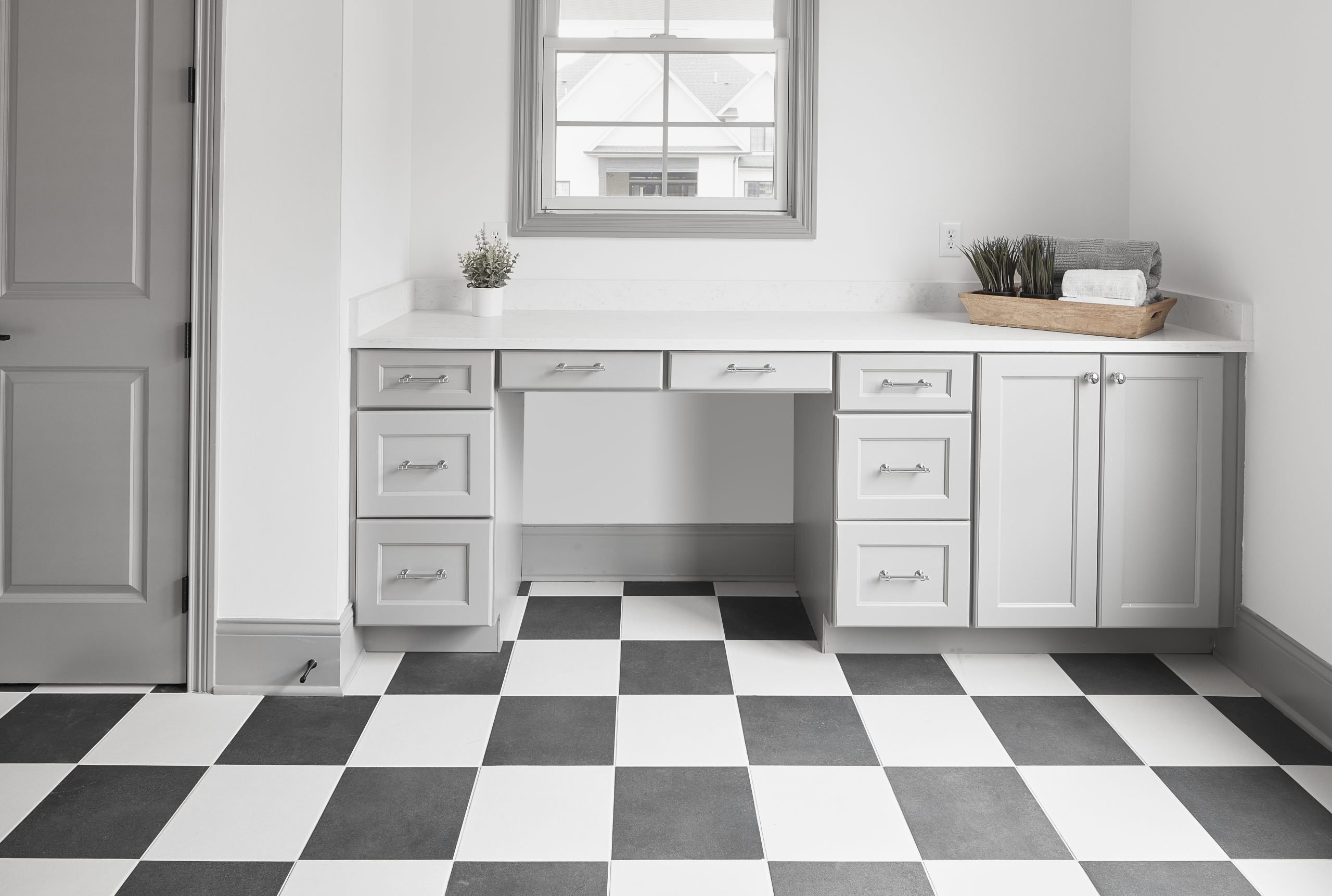
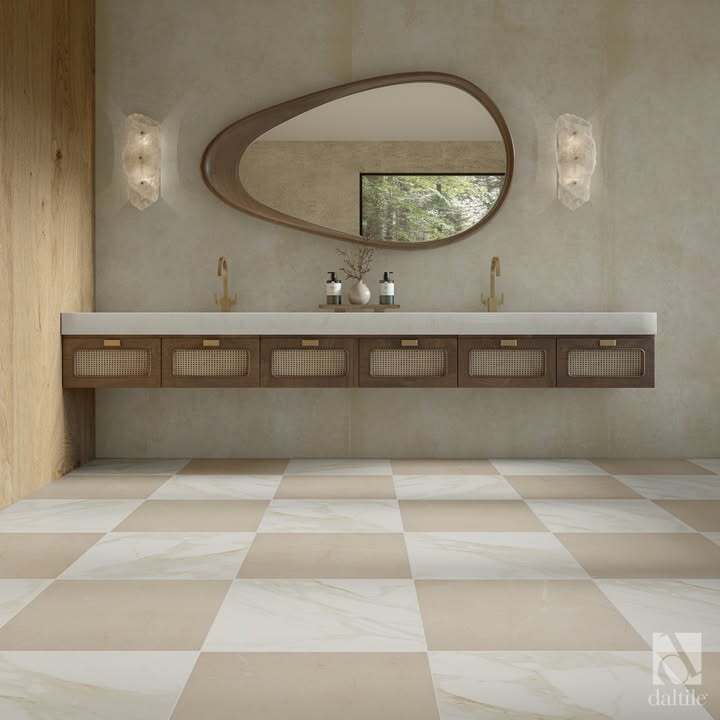 Image by: Daltile
Checkerboard Tile Usage
While the design is an established classic, today’s selection from top manufacturers like Louisville Tile delivers a wealth of opportunities to create a checkerboard element that aligns with your design goals. Intentional use of this pattern can bring depth and interest to your spaces, including:- Kitchens
- Bathrooms
- Sunrooms and Solariums
- Hallways
- Entryways/Foyers
- Laundry Rooms
- Mudrooms
- Showers
- Backsplashes
When planning your checkerboard tile project, think about:
Color Variations
“Checkerboard” brings to mind a simple black and white pattern. A classic, to be sure, but you are far from limited to this option. Think creams, browns, and greys, go bold with polished color choices that pop, or strike a more subtle note with marbled deep charcoal and warm off-white tiles. You are not even limited to two colors; using the traditional checkerboard layout with three hues creates a dynamic look. Try alternating three shades of the same color for a truly elevated look.You can unlock endless design possibilities by considering textured color as well. These tiles feature surface variation, veining, or patterning that gives it visual depth and a more tactical feel.
Finish
Finish is a key consideration when installing checkerboard tile in spaces throughout the home.- Sleek and sophisticated, polished tiles are shined to smooth, glass, mirror-like perfection. When planning your installation, be aware that these can be slippery when wet.
- Honed. These tiles have a soft, matte finish. While smooth, they are not reflective like polished tiles. Those with honed finishes tend to offer better traction when wet, and are less likely to show water spots and scratches.
- If you want a slightly more natural, textured look and feel, unglazed, unpolished tiles present a great solution. They are highly durable and more slip-resistant than finishes. Sealing them helps prolong their life (and beauty) even more.
Laying Options
Many checkerboard tile designs are oriented in a grid format. The straight lines deliver a clean, symmetrical appeal. Others are laid out on the diagonal, which can make a space feel more dynamic and open. You can’t go wrong; both have been on-trend for centuries. Looking at your space, which orientation would help you achieve your design goals?Another layout question to ask yourself is if you want the checkerboard pattern to extend to the very edges of the room, shower, or backsplash, or if you want to create an intentional border? The border can help define a space and could be an opportunity to integrate an accent color or even a different texture.
Tile Size
Classic checkerboards are created with 12” x 12” tiles, but again, you are free to make design choices that reflect your style. Add an element of grandeur with large format tiles, such as 24” x 24,” or go retro with smaller sizes that evoke a vintage feel. Image by: Daltile The Tile Pattern That’s Always in Style
As versatile as it is simple, it is no wonder the checkerboard is a perennial pattern favorite. If the choice of colors, textures, sizes, and layouts feels far from simple, our experienced design team can help. Connect with ACo to discuss your project.Tags
Subscribe to ACo Flooring, Cabinets, Kitchens & Baths's Blog

Comments